The Real Price of E-Commerce Photography: Just £0.02 Per Sale
The Conversation That Sparked a Bigger Realisation
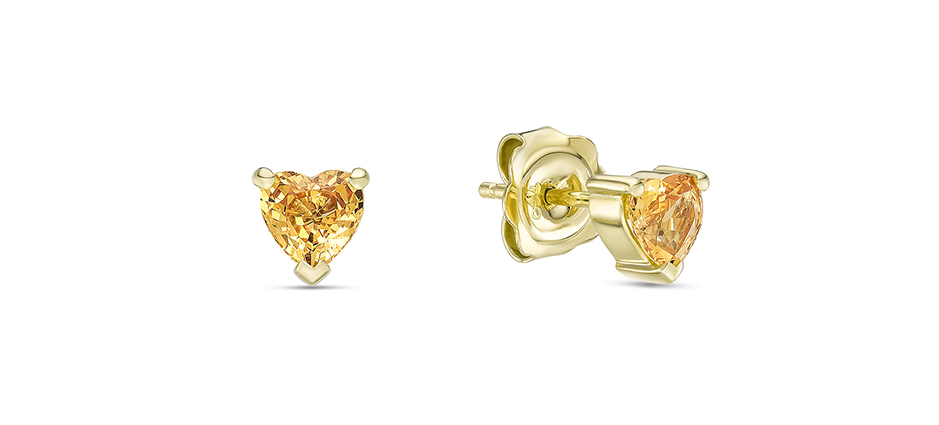
A client once insisted my rate for a simple product shot was “too high.” They sold gold-plated Sterling Silver jewellery, each piece costing them around £10 landed. I charged £20 for a clean white-background image, standard commercial pricing. Because they wanted two angles, they felt the photography was “quadrupling” their product cost.
It was an emotional argument, not a strategic one.
Comparing the cost of photography directly to the cost of goods is a classic negotiation move: inflate the ratio so the number sounds outrageous. But product photography isn’t a consumable material. It’s an asset that keeps earning long after it’s created.
A Product Photo Isn’t a One-Off Spend, It’s a Scalable Sales Tool
The meaningful question isn’t “How much does this photo cost compared to my SKU?” The question is: how much revenue will this image generate over the next 1,000 sales?
If a brand sells 1,000 units of a product, a £20 photo breaks down to £0.02 per sale. Two pence to shape a buying decision. Two pence to make a £10 item look convincingly worth its £50 retail price.
That product brings in roughly £40 in profit per sale. The photo that helps trigger the purchase? It barely dents the margin, yet it does a disproportionate amount of the selling.
Bestsellers Make the Cost Even Smaller
When an SKU performs well, the cost per sale becomes microscopic. Your top products may generate tens of thousands in revenue from a single set of images.
This is why strong brands never treat photography as an optional extra or a negotiable add-on. They understand that the first thing a customer sees is the image, and the image determines whether the customer stays, clicks, and converts.
The Real Problem Isn’t the Price. It’s the Mindset.
The resistance usually isn’t about £20. It’s about perceiving essential sales assets as “nice to have” rather than foundational.
Brands that grow intentionally invest in the visuals that shape perception. They don’t haggle their way toward success; they build it through clarity, consistency, and high-quality presentation.
The Takeaway
Great product photography isn’t a cost centre. It’s a profit multiplier.
Two pence per sale is a tiny price to pay for an image that influences every future transaction. Invest in the asset that sells your product long before your customer reads a word of your description.
By M.O. Studios 01, December, 2025
Vanessa Carrera2025, 02 December
Enjoyed!
M.O. Studios2025, 02 December
We are glad you enjoyed the article"